The COVID-19 pandemic introduced a set of health challenges that extended far beyond viral infection. As public discourse focused on transmission rates and medical shortages, another crisis unfolded: a dramatic rise in mental health concerns. A firsthand account published in USA Today by Dr. Barbara “Bobbie” Decker, an adult epileptologist at Mary Washington Healthcare, underscores this troubling trend, particularly among new mothers.
Perinatal mood and anxiety disorders (PMADs) affect one in five mothers, with women of color disproportionately impacted at a rate of one in three. When left untreated, PMADs can significantly impair maternal functioning and infant development, leading to long-term emotional, developmental, and economic consequences. Mental health complications have become the leading cause of pregnancy-related death in the United States, despite research finding that over 80% of these deaths are preventable. These statistics point to a national care gap that undermines not only family well-being but also broader public health and societal stability.
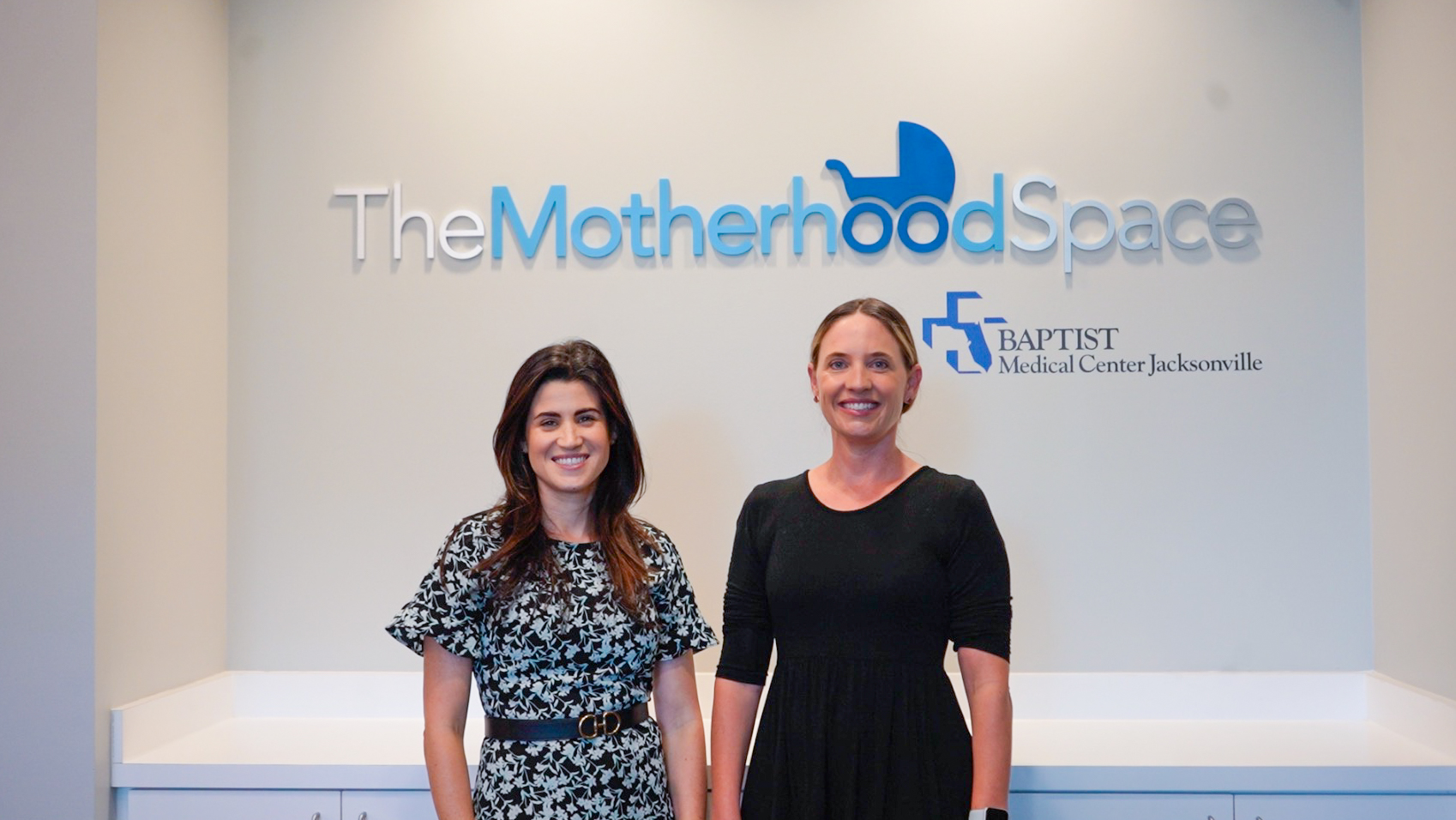
In response to these needs, Baptist Health Jacksonville launched The Motherhood Space. The AVDF-funded maternal mental health and wellness program is designed to provide comprehensive clinical and social support to mothers experiencing PMADs. The Motherhood space is one of fewer than 40 intensive programs in the nation that treat mood and anxiety disorders during and after pregnancy.
The program integrates three coordinated components: (1) physician continuing-education to strengthen early identification and referral; (2) a free community video series offering public access to evidence-based education and skills; and (3) outpatient treatment providing therapeutic intervention, medical evaluation, emotional support, childcare, transportation assistance, and lactation services. Participants receive care three days per week for up to three weeks, reducing barriers that commonly prevent mothers from engaging in treatment.
Dr. Decker, a patient of The Motherhood Space, reflected on her own experiences in the USA Today article. She wrote that within weeks, she “learned to separate fear from truth and trust my own mind again,” noting that the support “removed barriers that keep most mothers from treatment,” including cost, logistics, and stigma.
AVDF awarded Baptist Health a $300,000 grant to provide scholarships for mothers who are uninsured or whose insurance doesn’t cover program participation.
In the article, Dr. Decker emphasized that expanding programs like The Motherhood Space offers a pathway toward systemic reform—one where maternal mental health screenings occur routinely, insurance programs extend continuous coverage through the first postpartum year, and evidence-informed interventions become standard practice.
To read the full articled published by USA Today and written by Dr. Decker, click here. For more information about The Motherhood Space program, click here.
Back to all Stories