Recent research and national surveys indicate that many college students hesitate to engage in difficult conversations with peers, particularly when disagreement is likely. This trend raises serious concerns for higher education which plays a central role in preparing future citizens and leaders capable of addressing shared challenges in an increasingly polarized society. When students avoid dialogue across difference, they also lose opportunities to develop the critical reasoning, empathy, and civic skills that democratic life requires.
Scholars and educators point to a core driver of this reluctance: students seldom receive structured opportunities to learn and practice civil discourse. Without intentional instruction, disagreement can feel threatening rather than productive. To help fill this gap, Marquette University has launched an innovative effort to embed civic reasoning and discourse skills into the undergraduate experience—beginning in the first year.
Building on a successful pilot, AVDF awarded Marquette University a $146,557 grant in 2024 to refine, assess, and expand a cross-disciplinary curriculum focused on dialogue, deliberation, and debate. The initiative aims to equip all first-year students with tools to evaluate evidence, weigh competing perspectives, and engage respectfully with those who hold different views. The grant supports the multi-year development of a course that faculty plan to integrate into Marquette’s Core Curriculum.
Marquette University, a Catholic institution located in Milwaukee, serves more than 11,000 undergraduate and graduate students across 11 colleges and schools. Its mission emphasizes the formation of both intellect and character, making civic engagement and ethical leadership central to its educational model.
The project was developed by Dr. Amelia Zurcher, professor of English and director of the University Honors Program, and Dr. Amber Wichowsky, now at UW-Madison, but was the former director of Marquette Civic Dialogues.
“Research shows that civic reasoning and dialogic skills support critical thinking and learning integration,” said Zurcher. “At a polarizing time for our students, this class will help address an urgent need. These skills form the foundation of academic communities in which students connect across difference and take risks, and they are also essential for productive workplaces and healthier democracies.”
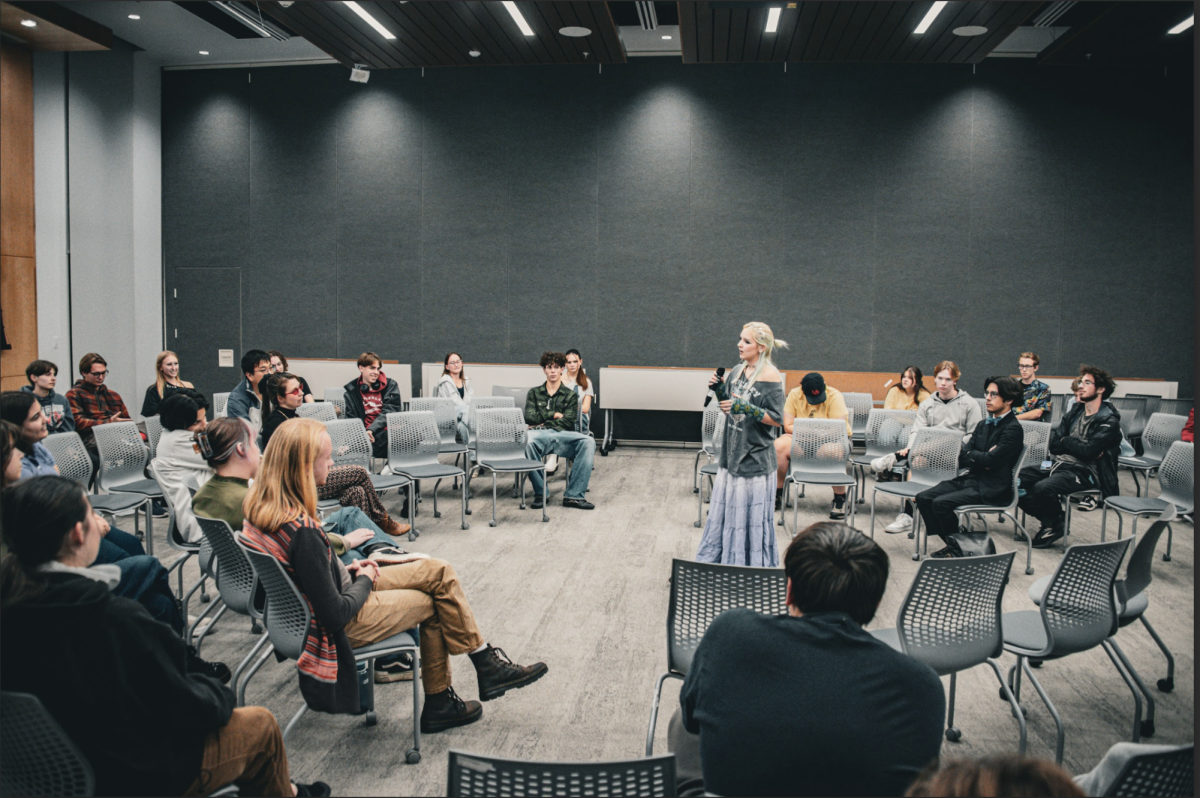
The course structure combines large lectures on contested topics—such as artificial intelligence ethics, environmental responsibility, and protest movements—with small-group discussions facilitated by trained peer leaders. This design allows students to practice respectful disagreement in supportive settings while developing confidence to participate in public dialogue.
A recent report by WUWM 89.7 FM provides further insight into the program’s impact. Faculty and students interviewed described a generation shaped by pandemic-era schooling and social media environments that often reward certainty over curiosity.
“Social media will have us think people can’t disagree respectfully,” said Sam Woodward, a junior. “It’s either you’re on one side or the other, there’s no in-between. We’ve become more polarized. Seemingly it’s only getting worse.”
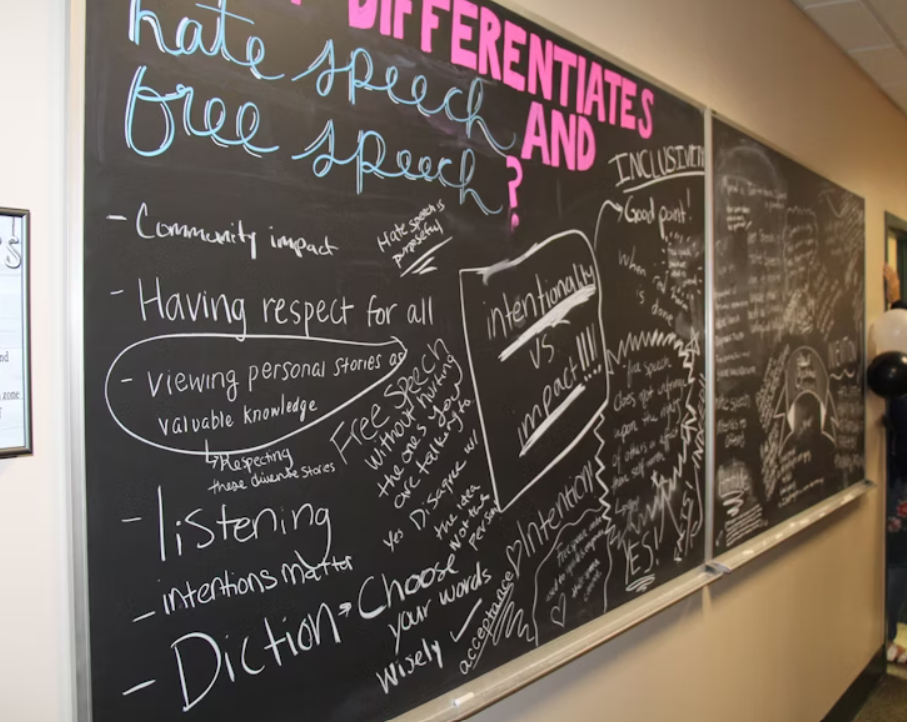
Many students express strong commitments to empathy and respect, yet they also avoid conflict for fear of causing harm or being misunderstood. The Marquette initiative directly addresses this tension by framing disagreement not as a breakdown in civility, but as a skill that can, and must, be learned.
Back to all Stories