In 2025, federal policymakers approved the rescission of more than $1.1 billion in funding for the Corporation for Public Broadcasting (CPB), while the U.S. Department of Education eliminated the long-standing Ready to Learn program. For more than three decades, this program supported research-based children’s series such as Sesame Street, Arthur, and Reading Rainbow.
This shift carries profound implications for early childhood learning. Public broadcasting—particularly PBS Kids—has historically served as one of the most trusted and accessible sources of educational content for children. Unlike commercial media platforms, PBS Kids grounds its programming in decades of developmental research, designing content to build literacy, numeracy, social-emotional skills, and critical thinking.
At a time when children increasingly consume digital media, access to high-quality, research-informed content remains essential. For nearly half of U.S. children who lack access to formal early childhood education, PBS Kids often provides one of the few consistent opportunities for structured learning.
Yet, as federal support declines, the sustainability of this ecosystem faces new challenges. The risk extends beyond the loss of familiar programming; it threatens a broader public good including equitable access that supports school readiness, family engagement, and lifelong learning. In response, philanthropic investment has become increasingly critical to sustaining and advancing this work.
AVDF has prioritized this need by supporting nonprofit producers, such as Fred Rogers Productions (FRP), that develop research-based children’s media with national reach and educational impact. In 2022, AVDF awarded a $600,000 grant to support the development of new seasons of Donkey Hodie and Alma’s Way, two series designed to promote social-emotional learning, resilience, and inclusive representation. Building on this success, AVDF awarded additional funding in 2024 to further expand FRP’s content development across broadcast, digital platforms, and community engagement initiatives.
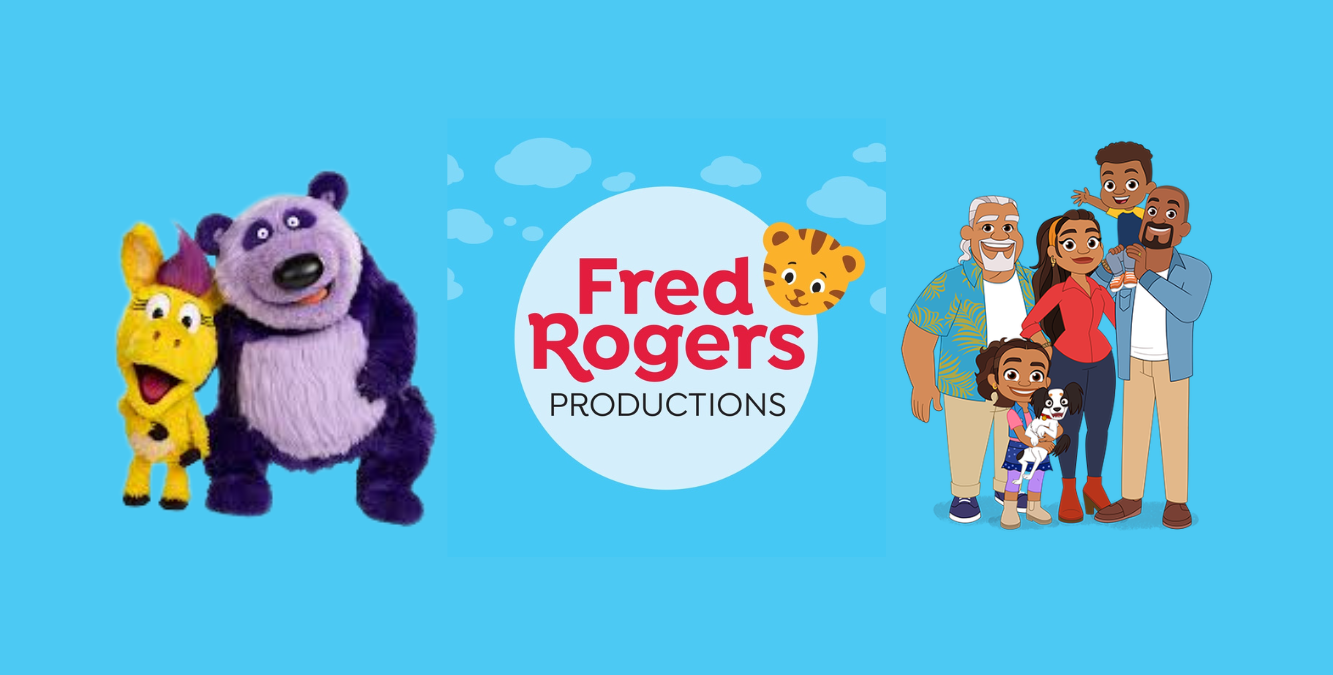
FRP’s programming reflects a deliberate, research-informed approach to early childhood education. Donkey Hodie, a live-action puppet series inspired by Mister Rogers’ Neighborhood, teaches young viewers persistence, problem-solving, and emotional regulation through imaginative storytelling. Episodes address real-world challenges, such as managing disappointment or adapting to change. The program also models constructive responses. Complementary digital resources, including videos, activities, and games, extend learning beyond the screen and support family engagement.
Similarly, Alma’s Way centers on a six-year-old Puerto Rican girl navigating everyday decisions in her Bronx neighborhood. Through its distinctive “Think Through” moments, the series encourages children to reflect, reason, and consider multiple perspectives. This approach fosters critical thinking and social awareness while affirming cultural identity and inclusion. Episodes and resources integrate storytelling with opportunities for interactive learning, reinforcing key developmental skills.
Both series have achieved substantial reach and impact. Together, they attract millions of viewers and generate tens of millions of monthly video streams across PBS platforms and YouTube. Their associated websites receive hundreds of thousands of visitors, while interactive games and educational materials engage children in active learning. Independent evaluations and audience feedback further underscore their effectiveness: parents report improvements in children’s emotional regulation and flexibility, and research indicates that even a single episode can enhance children’s understanding of perspective-taking and social responsibility.
These outcomes reflect not only strong audience engagement but also recognition from the broader educational and media communities. Alma’s Way received the 2024 Kidscreen Award for Best Inclusivity, while Donkey Hodie earned a 2025 Emmy Award for Outstanding Interactive Media. Both programs also received nominations for the 4th Annual Children’s and Family Emmy Awards in 2026. Such recognition highlights the role of high-quality children’s media as both an educational tool and a cultural resource.
FRP continues to expand this impact through new content and strategic distribution. In 2026, as reported by Deadline, FRP launched a dedicated YouTube channel for Mister Rogers’ Neighborhood, making full-length episodes and curated digital content accessible to a new generation of viewers. This initiative reflects a broader shift toward meeting audiences where they are, while preserving the core values of empathy, curiosity, and human connection that define Fred Rogers’ legacy.
“At a time when the media landscape is increasingly fragmented and driven by commercial incentives, Fred Rogers Productions continues to set the standard for what children’s media can and should be. By combining research with thoughtful storytelling, these programs equip children with the cognitive and social-emotional skills they need to thrive. AVDF is proud to support this work, which not only enriches early learning but also strengthens families, communities, and the broader educational ecosystem,” said Miica Patterson, AVDF Associate Director of Communications and Board Relations.
Back to all Stories